Throughout history, periods of war and conflict have often inspired remarkable artistic movements. This seventh-grade classroom lesson explores how major historical events influenced the development of American music, from the blues and jazz to rock and roll, protest music, and disco. Designed to meet New York State Social Studies standards, the lesson encourages students to develop historical arguments as they examine how music has reflected the struggles, emotions, and resilience of different generations.
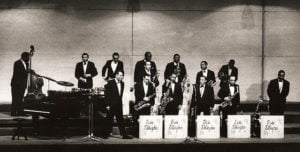
Photo: Hans Bernhard (Schnobby) [CC BY-SA 3.0 (https://creativecommons.org/licenses/by-sa/3.0)]
How War and Conflict Fuel New Art Forms is structured to focus on basic historical concepts while helping students develop an argument through critical thinking skills. The lesson encourages students to formulate an argument using multimedia resources that are incorporated throughout the accompanying Google Slides presentation.
Developing Historical Arguments
Questions are scattered throughout the slide presentation for students to answer individually or in groups. The embedded multimedia within the Google Slides presentation offers teachers flexibility in pacing the lesson. The presentation can be completed during one class period or expanded over two forty-minute classroom periods.
Music As A Response To Conflict
The central argument presented in the lesson is that major conflicts often create a need for emotional escape from the tragedy and pain experienced by those living through them. The lesson begins with a brief examination of slavery during the Civil War era and argues that blues music emerged from the suffering and hardships endured by enslaved people.
A discussion of how blues music was passed from one generation to the next culminates with an introduction to blues musician Robert Johnson. The presentation includes photographs, musical examples, and an opportunity for students to interpret the lyrics to the song “Come On Into My Kitchen.”
From Jazz To Rock And Roll
The lesson continues by examining how the end of World War I influenced the development of jazz and swing music. It then explores the argument that World War II helped fuel the birth of rock and roll. Musical examples throughout the presentation include performances by artists such as Duke Ellington, Chuck Berry, and Buddy Holly.
Vietnam, Protest Music, And Disco
The impact of the Vietnam War on protest music and psychedelic rock is also explored. The lesson argues that frustrations surrounding the Vietnam War and the Watergate era further fueled the public’s desire for escape, contributing to the rise of disco music and dance culture during the 1970s.
The presentation concludes by asking students one final question:
“Are there any current artists that you think have written music in response to recent conflict or tragedy?”
For more New York history and educational resources, explore additional articles on ClassicNewYorkHistory.com, including How the Taverns of New York City Stirred the American Revolution, The History of the Harlem Renaissance, The History of Ellis Island, The History of the Brooklyn Bridge, and Grand Central Terminal.
Updated June 29, 2026.