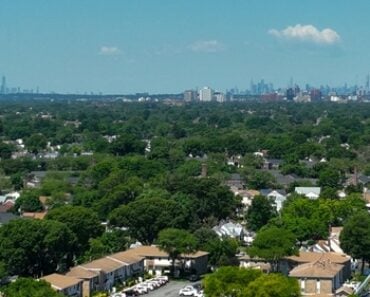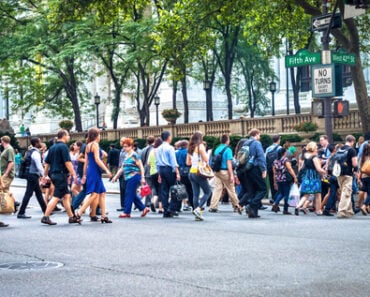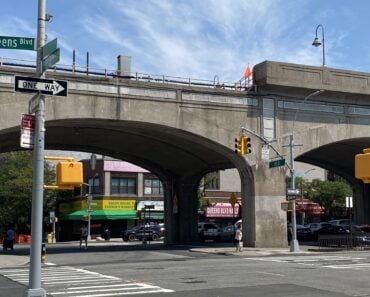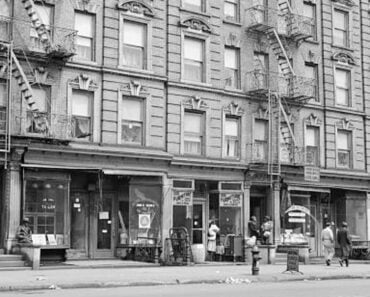

Stand on a cobblestone corner in SoHo or look up at a glass tower rising above Manhattan’s Far West Side, and one reality becomes immediately clear: New York City real estate operates on a financial scale unlike almost anywhere else in the country.
This ranking follows PropertyShark’s Q2 2026 analysis of closed residential sales recorded in ACRIS between April 1 and June 30, 2026. Only neighborhoods with at least five sales during the quarter were included. The report covers Manhattan, Brooklyn, Queens, and the Bronx; Staten Island was not included in the source data.
Because the ranking is based on median sale price rather than price per square foot, average asking price, or the cost of a typical townhouse, the order can shift sharply from one quarter to the next. In neighborhoods with limited inventory, a small number of high-priced closings can move the median by hundreds of thousands of dollars.
The history behind these prices is a history of reinvention. Former shipping districts, printing centers, wholesale markets, factory blocks, and rail yards have become some of the most expensive residential territory in the United States. The ten neighborhoods below are counted down according to their Q2 2026 median sale prices.
10. DUMBO (Brooklyn)
Q2 2026 Median Sale Price: $1.825 Million
Primary Housing Style: Converted Brick and Reinforced-Concrete Industrial Lofts
DUMBO stands for Down Under the Manhattan Bridge Overpass. The name came into use during the late 1970s and has long been connected to a neighborhood story that residents hoped an awkward acronym might discourage developers. It did not.
The waterfront between the Brooklyn and Manhattan Bridges developed into one of New York’s great industrial districts. Coffee, packaged foods, machinery, soap products, and other goods moved through enormous factories and warehouses built close to the East River. The surviving streetscape still reflects that period through Belgian block streets, loading bays, arched windows, heavy timber interiors, and massive brick walls.
Those industrial buildings later became some of Brooklyn’s most recognizable residential lofts. Brooklyn Bridge Park, East River views, and immediate access to Lower Manhattan keep demand high, although DUMBO’s $1.825 million median placed it tenth in the city during Q2 2026.
9. Columbia Street Waterfront District (Brooklyn)
Q2 2026 Median Sale Price: $1.875 Million
Primary Housing Style: Rowhouses, Boutique Condominiums, and Converted Industrial Buildings
The Columbia Street Waterfront District occupies a narrow section of Brooklyn between the working waterfront and the brownstone neighborhoods of Cobble Hill and Carroll Gardens. Its location gave the area a mixed character from the beginning, with modest rowhouses standing close to warehouses, piers, workshops, and maritime businesses.
During the second half of the twentieth century, declining manufacturing, limited transportation, and the physical separation created by the Brooklyn-Queens Expressway contributed to a long period of isolation. The neighborhood never developed the same polished identity as the historic districts directly to its east, which allowed much of its low-rise scale to remain intact.
New residential construction, renovated townhouses, waterfront access, and proximity to Brooklyn Bridge Park have changed the market dramatically. Its Q2 2026 median sale price of $1.875 million placed the Columbia Street Waterfront District just ahead of DUMBO.
8. Flatiron District (Manhattan)
Q2 2026 Median Sale Price: $1.993 Million
Primary Housing Style: Commercial Loft Conversions and Modern Condominiums
In the late nineteenth century, the blocks surrounding Broadway, Fifth Avenue, and Madison Square formed the heart of the Ladies’ Mile, New York’s grandest shopping district. Monumental department stores and commercial buildings rose along the avenues, many designed in Beaux-Arts, Renaissance Revival, and cast-iron styles.
The neighborhood takes its modern name from the Flatiron Building, the triangular 1902 skyscraper designed by Daniel Burnham’s firm for the narrow lot where Broadway crosses Fifth Avenue at 23rd Street. The building became an immediate symbol of the city’s vertical growth.
After major retailers moved uptown, the district passed through periods dominated by wholesalers, manufacturers, photographers, publishers, and technology firms. Large commercial floors were eventually converted into expensive lofts, while new condominium towers rose around Madison Square Park. The neighborhood’s Q2 2026 median finished just below $2 million.
7. Little Italy (Manhattan)
Q2 2026 Median Sale Price: $2.142 Million
Primary Housing Style: Renovated Tenements and Boutique Condominium Conversions
At the beginning of the twentieth century, the blocks around Mulberry, Mott, Hester, and Grand Streets stood at the center of Italian immigrant life in New York. Tenements, churches, bakeries, social clubs, restaurants, and street markets created one of the city’s most influential ethnic neighborhoods.
St. Patrick’s Old Cathedral on Mott Street, completed in 1815, predates the Italian community that later surrounded it and served as the seat of the Roman Catholic Archdiocese of New York before the Fifth Avenue cathedral opened. Mulberry Street remains the neighborhood’s public center, especially during the annual Feast of San Gennaro.
Modern Little Italy covers a much smaller area than the community did at its height. That limited inventory makes its quarterly real estate figures especially sensitive to a small number of transactions. In Q2 2026, its median sale price was $2.142 million, placing it seventh citywide.
6. Hudson Square (Manhattan)
Q2 2026 Median Sale Price: $2.4 Million
Primary Housing Style: Printing Loft Conversions and New Luxury Condominiums
Hudson Square spent much of the twentieth century as New York’s Printing District. Large factory buildings near Varick, Hudson, and Greenwich Streets housed printing companies that benefited from broad floor plates, freight access, and proximity to Lower Manhattan’s publishing and commercial centers.
As printing activity declined, advertising, communications, design, and media companies moved into the old industrial buildings. The 2013 Hudson Square rezoning accelerated the area’s transformation by permitting substantial new residential development and encouraging a more active mixed-use neighborhood.
The result is a market combining converted commercial lofts with new condominium buildings near the Hudson River, SoHo, and Greenwich Village. Hudson Square recorded a Q2 2026 median sale price of $2.4 million.
5. Central Midtown (Manhattan)
Q2 2026 Median Sale Price: $2.597 Million
Primary Housing Style: Luxury Condominiums, Cooperative Apartments, and Hotel Residences
Central Midtown is better known for offices, hotels, department stores, theaters, and landmarks than for large residential districts. Rockefeller Center, Fifth Avenue, the Diamond District, St. Patrick’s Cathedral, and the blocks surrounding Grand Central helped establish Midtown as New York’s dominant business and entertainment center during the twentieth century.
That commercial concentration makes the residential inventory unusually limited. The apartments that do trade are often found in luxury condominium towers, established cooperative buildings, and residences connected to full-service hotels. Buyers pay for immediate access to the city’s largest employment center, cultural institutions, shopping, and transportation.
Central Midtown reached a record Q2 2026 median sale price of $2.597 million, lifting it into fifth place among the city’s most expensive neighborhoods.
4. Carroll Gardens (Brooklyn)
Q2 2026 Median Sale Price: $2.675 Million
Primary Housing Style: Nineteenth-Century Brownstones and Front-Garden Townhouses
Carroll Gardens owes its name and much of its beauty to an unusual nineteenth-century street plan. In 1846, surveyor Richard Butts laid out exceptionally deep blocks that allowed houses on several streets to stand behind front gardens measuring roughly twenty-five to thirty-nine feet. Those landscaped setbacks remain rare in New York City.
The neighborhood developed for merchants and clerks who traveled to Lower Manhattan, and it later became one of the centers of Italian American life in South Brooklyn. Court and Smith Streets still reflect that heritage through long-established bakeries, food shops, churches, and family businesses.
Demand for intact townhouses pushed Carroll Gardens to a $2.675 million median sale price in Q2 2026. That figure made it Brooklyn’s most expensive neighborhood during the quarter and placed it fourth across the city.
3. SoHo (Manhattan)
Q2 2026 Median Sale Price: $3.413 Million
Primary Housing Style: Historic Cast-Iron Architecture and Loft Conversions
SoHo, South of Houston Street, contains one of the world’s greatest concentrations of cast-iron commercial architecture. During the nineteenth century, foundries produced columns, arches, and decorative facade pieces that could be assembled quickly on the fronts of new stores, factories, and warehouses.
By the middle of the twentieth century, many of those businesses had left, and the district became known for vacancy, fires, and proposals for large-scale demolition. Artists moved into the abandoned lofts because the buildings offered enormous floors, high ceilings, and exceptional natural light. Their campaign for legal live-work space helped establish the loft-living model later copied around the world.
Historic district protection preserved the streetscape, but the artists’ neighborhood eventually became an international luxury destination. SoHo’s Q2 2026 median sale price reached $3.413 million, making it one of only three New York neighborhoods above $3 million.
2. TriBeCa (Manhattan)
Q2 2026 Median Sale Price: $3.675 Million
Primary Housing Style: Industrial Brick and Cast-Iron Loft Conversions
TriBeCa, the Triangle Below Canal Street, spent generations as part of New York’s great wholesale food district. Washington Market and the surrounding blocks were filled with produce dealers, dairy merchants, grocers, warehouses, and loading platforms that supplied the growing metropolis.
When wholesale activity moved away during the 1960s, large commercial buildings became available for artists and residential conversion. The neighborhood followed a path similar to SoHo, but TriBeCa’s deeper floor plates and larger buildings created apartments with exceptional square footage and privacy.
Hudson River Park, landmarked streets, converted warehouses, and discreet modern developments have kept TriBeCa near the top of New York’s real estate rankings for decades. Its Q2 2026 median sale price was $3.675 million.
1. Hudson Yards (Manhattan)
Q2 2026 Median Sale Price: $6.563 Million
Primary Housing Style: New Supertall Condominiums and Full-Service Luxury Towers
Hudson Yards is unlike every older neighborhood on this list because much of it was created above an active rail yard. Enormous platforms were engineered over train storage tracks on Manhattan’s Far West Side, allowing towers, streets, public spaces, shops, and cultural facilities to rise while railroad operations continued below.
The redevelopment depended on major public and private investments, including the extension of the number 7 subway line to 34th Street-Hudson Yards. The first phase opened in 2019 with the Vessel, the Shed, a retail complex, office towers, and high-priced residential buildings.
Residential closings are concentrated in a small number of luxury properties, especially 15 Hudson Yards and 35 Hudson Yards. Only six qualifying sales closed in the neighborhood during Q2 2026, which is important context for its extraordinary $6.563 million median. Even with that limited sample, Hudson Yards remained the most expensive neighborhood in the ranking by a margin of nearly $2.9 million.
Quick Comparison: NYC’s 10 Most Expensive Neighborhoods
| Rank | Neighborhood | Borough | Q2 2026 Median Sale Price | Primary Housing Style |
|---|---|---|---|---|
| 1 | Hudson Yards | Manhattan | $6.563 Million | New Supertall Condominiums |
| 2 | TriBeCa | Manhattan | $3.675 Million | Industrial Loft Conversions |
| 3 | SoHo | Manhattan | $3.413 Million | Cast-Iron Loft Conversions |
| 4 | Carroll Gardens | Brooklyn | $2.675 Million | Brownstones and Townhouses |
| 5 | Central Midtown | Manhattan | $2.597 Million | Luxury Condominiums and Co-ops |
| 6 | Hudson Square | Manhattan | $2.4 Million | Printing Lofts and New Condominiums |
| 7 | Little Italy | Manhattan | $2.142 Million | Renovated Tenements and Boutique Condos |
| 8 | Flatiron District | Manhattan | $1.993 Million | Commercial Loft Conversions |
| 9 | Columbia Street Waterfront District | Brooklyn | $1.875 Million | Rowhouses and Boutique Condominiums |
| 10 | DUMBO | Brooklyn | $1.825 Million | Converted Industrial Lofts |
Frequently Asked Questions
What was the most expensive neighborhood in NYC in Q2 2026?
Hudson Yards ranked first with a median residential sale price of $6.563 million. The figure was based on six qualifying sales, so it should be understood as a quarterly snapshot rather than the price of a typical New York home.
Why do New York City neighborhood rankings change so often?
The rankings use median prices from completed sales. In neighborhoods with limited inventory, a few expensive condominium or townhouse transactions can move the median dramatically. New development closings can also cause sudden changes from one quarter to the next.
What was Brooklyn’s most expensive neighborhood in Q2 2026?
Carroll Gardens ranked first in Brooklyn and fourth across the city with a median sale price of $2.675 million. The Columbia Street Waterfront District and DUMBO also finished among the citywide top ten.
Is median sale price the same as price per square foot?
No. Median sale price measures the midpoint of all qualifying transactions, regardless of property size. Price per square foot measures how much buyers paid for each square foot of interior space. A neighborhood with very large homes can rank highly by median sale price without having the city’s highest price per square foot.
More New York City History
Readers interested in the buildings and redevelopment behind these prices can also explore our 10 Tallest Buildings In New York City, our History Of New York’s Jacob K. Javits Convention Center, our neighborhood guide Little Italy: What You Need To Know, and our look at New York’s Eataly Near the Flatiron Building.
Updated July 29, 2026.