
Anglers fishing along the East River waterfront beneath the Manhattan Bridge, with Lower Manhattan visible across the water. Photo: Dogora Sun / Shutterstock.com.
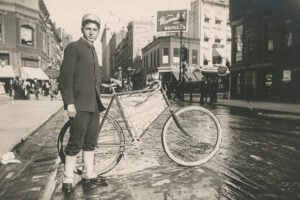
New York City’s relationship with fishing reaches back long before Wall Street became shorthand for finance. For centuries, the waters surrounding what became the five boroughs supported fishing, shellfishing, maritime trade, and waterfront communities. By the 19th century, the Fulton Fish Market had become one of the city’s great commercial institutions, connecting New Yorkers with seafood arriving from local and distant waters.
Today, New York remains an unusually varied place to fish. Within the city limits, anglers can cast into Atlantic surf and tidal bays for migrating striped bass and bluefish, work protected harbor waters for summer flounder and porgy, or fish freshwater park lakes for largemouth bass, sunfish, and other species.
Whether you are carrying a saltwater surf rod or a light freshwater setup, the key is knowing where fishing is allowed and which New York State and city rules apply. Here is a guide to several of New York City’s most interesting fishing waters, along with the current regulations anglers need to know.
When Does Fluke Season End in New York?
For New York saltwater anglers, summer flounder—commonly known as fluke—is one of the major warm-weather targets. Under New York State Department of Environmental Conservation regulations in effect for 2026, the recreational fluke season runs from May 4 through October 15. The daily possession limit is three fish per angler. The minimum size is 19 inches from May 4 through August 1 and 19.5 inches from August 2 through October 15.
Important: New York fishing regulations can change during the season. The rules in this guide reflect regulations in effect on September 10, 2026. Always check current New York State Department of Environmental Conservation regulations and posted local rules before fishing. Anglers who plan to eat their catch should also check the current New York State Department of Health fish-consumption advisories for the specific water and species.
Sheepshead Bay, Brooklyn
- Common Targets: Summer flounder, bluefish, porgy, striped bass, black sea bass, and tautog, depending on season and location
- Access: Sheepshead Bay waterfront and publicly accessible shoreline areas; the NYS DEC fishing map identifies public saltwater fishing sites in the area
- Historic Connection: One of Brooklyn’s best-known fishing and excursion-boat neighborhoods
Sheepshead Bay has been associated with fishing, boating, and waterfront recreation for generations. The piers along Emmons Avenue remain one of the neighborhood’s defining features, while the surrounding bay connects quickly with the waters of Rockaway Inlet and the New York Bight. Shore anglers can work public access points with jigs, bucktails, plugs, or bait according to the species and season, while boat fishing has long been part of the neighborhood’s maritime identity. Because access rules can vary from one stretch of waterfront to another, anglers should use established public fishing areas and obey posted restrictions.
Jamaica Bay and Canarsie Pier
- Common Targets: Summer flounder, bluefish, striped bass, weakfish, and other seasonal marine species
- Access: Canarsie Pier and designated saltwater fishing areas within Gateway National Recreation Area
- Historic Connection: Jamaica Bay once supported extensive oyster beds, commercial fishing, and maritime industries
Jamaica Bay is one of the great natural surprises of New York City. Its marshes, channels, mudflats, and open water form a large estuary shared by Brooklyn and Queens, and the bay has supported fishing and shellfishing for centuries. National Park Service historical research documents a substantial oyster industry here during the 19th and early 20th centuries before pollution, dredging, landfilling, and other development transformed the ecosystem.
For anglers, Canarsie Pier is one of the easiest places to begin. The National Park Service describes it as a fishing hotspot with a history stretching back more than 300 years and specifically identifies bluefish and fluke among the catches associated with the pier. Gateway National Recreation Area also contains other designated fishing access points around Jamaica Bay, but some parking areas and after-hours locations require separate National Park Service access permits. Fishing is prohibited in Gateway’s non-tidal freshwater ponds, within posted shorebird nesting buffers, and in lifeguarded swimming areas while lifeguards are on duty.
Pelham Bay Park and City Island, the Bronx
- Common Targets: Striped bass, porgy, bluefish, and other Long Island Sound species
- Access: Legal shoreline fishing areas around Pelham Bay Park and Eastchester Bay; use only clearly public access points on or around City Island
- Historic Connection: City Island became one of New York’s great boatbuilding and yachting centers
Pelham Bay Park has miles of shoreline facing Eastchester Bay and Long Island Sound, making it one of the most naturally suited places for saltwater fishing in the Bronx. NYC Parks has documented fishing spots along the park’s coastline, particularly around Eastchester Bay. Anglers should avoid open swimming areas and any shoreline marked as closed or restricted.
Nearby City Island adds a remarkable maritime history to the experience. During the late 19th and 20th centuries, the island became nationally known for yacht building, repair, sailmaking, and marine trades. City Island yards built, serviced, or stored a remarkable number of America’s Cup yachts, including several successful defenders. The island still has marinas, fishing boats, and a strong nautical identity, but much of its shoreline is privately controlled, so anglers should verify that any shore access point is public before setting up.
Harlem Meer in Central Park, Manhattan
- Common Targets: Largemouth bass, bluegill, pumpkinseed, carp, catfish, and other warm-water species
- Access: Harlem Meer at the north end of Central Park
- Rules: Catch-and-release only; barbed hooks and lead fishing weights are prohibited in NYC freshwater park waters
The Harlem Meer at the northern end of Central Park has long been one of Manhattan’s best-known places for freshwater catch-and-release fishing. The Central Park Conservancy has documented largemouth bass, carp, bluegill, pumpkinseed, catfish, and other species in the Meer, and for years the Dana Discovery Center has offered a community fishing program.
There is an important current caution. As of September 2026, the Central Park Conservancy says its catch-and-release fishing program at the Harlem Meer is suspended because of harmful algal blooms. Anglers should check current conditions before planning a trip. When fishing is permitted, anyone age 16 or older must have a valid New York State freshwater fishing license, and all fish must be released immediately.
Prospect Park Lake, Brooklyn
- Common Targets: Largemouth bass, bluegill, pumpkinseed, black crappie, yellow perch, brown bullhead, carp, and American eel
- Access: Designated shoreline areas around Prospect Park Lake
- Rules: Catch-and-release only; no barbed hooks or lead fishing weights
Prospect Park Lake is one of the strongest freshwater fishing destinations inside New York City. A 2023 NYS DEC fisheries survey captured 608 fish representing seven species and also observed American eel and common carp. The survey found largemouth bass up to 18 inches and 3.1 pounds, with catch rates for larger bass ranking high compared with other lakes surveyed statewide.
Fishing is open to the public during park hours, but New York State and New York City rules require catch-and-release fishing. The Prospect Park Alliance also prohibits barbed hooks and lead fishing weights and asks anglers to use designated fishing access rather than fenced or restricted shoreline areas. A New York State freshwater fishing license is required for anglers age 16 and older.
NYC Fishing Licenses and Registries at a Glance
| Water Type | License or Registry | Cost | Important Rules |
|---|---|---|---|
| Saltwater, bays, ocean, Long Island Sound, and NYC marine waters | NYS Recreational Marine Fishing Registry for anglers age 16 and older | Free | Species-specific seasons, possession limits, and minimum sizes apply. |
| Freshwater park lakes and ponds | NYS Freshwater Fishing License for anglers age 16 and older | Paid; fees vary by residency and duration | NYC Parks freshwater fishing is catch-and-release only. Barbed hooks and lead fishing weights are prohibited. |
| Hudson River south of the Mario M. Cuomo Bridge | NYS Recreational Marine Fishing Registry for anglers age 16 and older | Free | This section is within New York’s Marine and Coastal District. Striped-bass regulations change at the George Washington Bridge. |
Selected 2026 NYS DEC Marine Fishing Limits
| Species | Open Season | Minimum Size | Daily Possession Limit |
|---|---|---|---|
| Summer Flounder (Fluke) | May 4–October 15 | 19 inches May 4–August 1; 19.5 inches August 2–October 15 | 3 |
| Striped Bass — Marine Waters | April 15–December 15 | 28–31 inch slot | 1 |
| Bluefish | All year | No minimum size | 5 for individual anglers; 7 aboard licensed party/charter boats |
| Scup (Porgy) | May 1–December 31 | 9.5 inches for shore anglers; 11 inches for vessel anglers | 30; licensed party/charter customers may possess 40 from September 1–October 31 with required receipt |
When fishing for striped bass with natural bait, New York requires non-offset inline circle hooks. The marine limits above cover only several common New York City species and are not a complete regulations list. Seasons and limits for black sea bass, tautog, winter flounder, weakfish, and other species should be checked directly with NYS DEC before each trip.
Fishing safely and legally means more than checking the size of a fish. Follow all posted park and shoreline rules, stay out of closed swimming and nesting areas, dispose of fishing line and hooks properly, and check current fish-consumption advisories before eating fish caught in New York City waters.
For more on the parks and waters that shape the city, explore our histories of Central Park, Prospect Park, and Battery Park.
Sources
- New York State Department of Environmental Conservation — Recreational Saltwater Fishing Regulations
- New York State Department of Environmental Conservation — 2026 Freshwater Fishing Regulations Guide
- New York State Department of Environmental Conservation — Public Access to New York’s Marine Waters and NYC Fishing Map
- NYC Parks — Rules and Regulations for Fishing in City Parks
- National Park Service — Canarsie Pier
- National Park Service — Fishing at Gateway National Recreation Area
- National Park Service — Jamaica Bay Historic Resource Study
- City Island Museum — Boat Building History
- City Island Museum — City Island and the America’s Cup
- Central Park Conservancy — Catch-and-Release Fishing
- Prospect Park Alliance — Fishing Map and Rules Guide
- New York State Department of Environmental Conservation — Prospect Park Lake Bass and Sunfish Survey
- New York State Department of Health — New York City Region Fish Advisories
Published September 10, 2026.